
Archbasilica of St. John Lateran
A Rich and Sacred History
The Basilica of Saint John Lateran is the oldest of the four major basilicas in Rome and holds a particularly important place in the history of Christianity. Founded in the 4th century, it has been the seat of the pope and is considered the "Mother of all churches in the world." Its imposing architecture and numerous decorative elements make it a jewel of Christian art.
An Architecturally Stunning Beauty
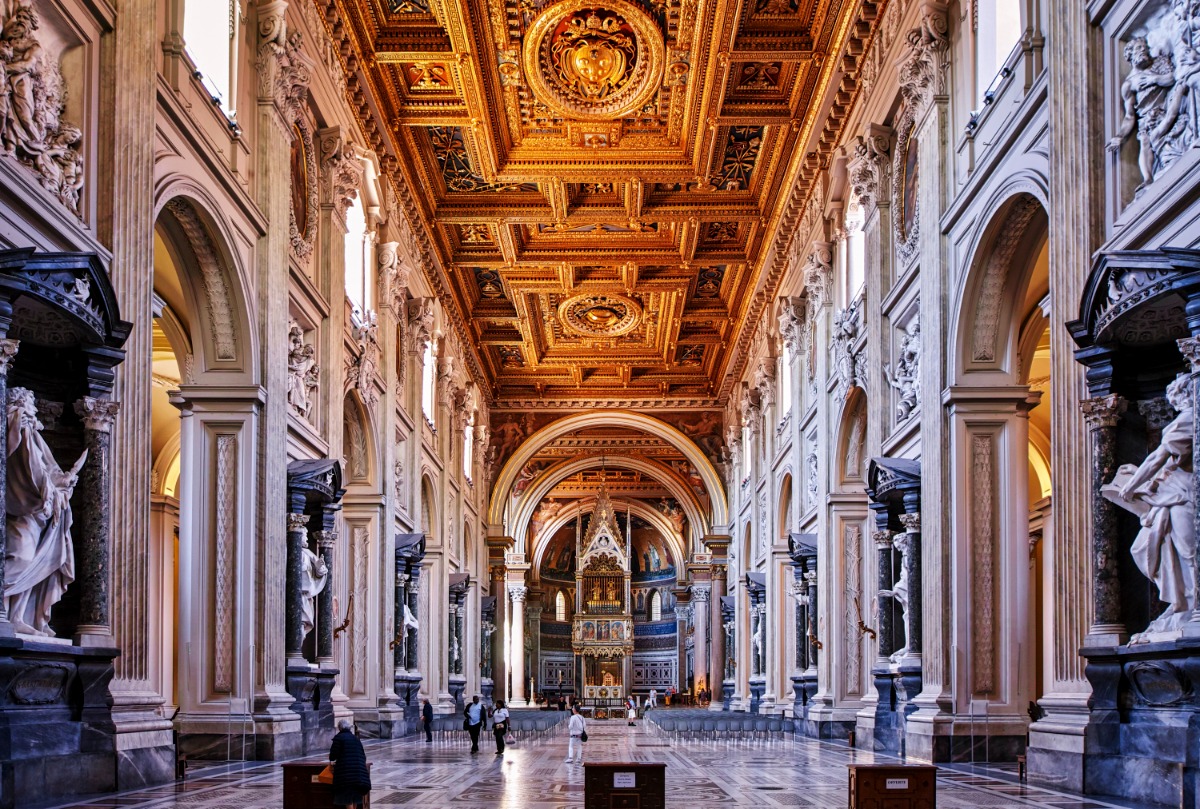
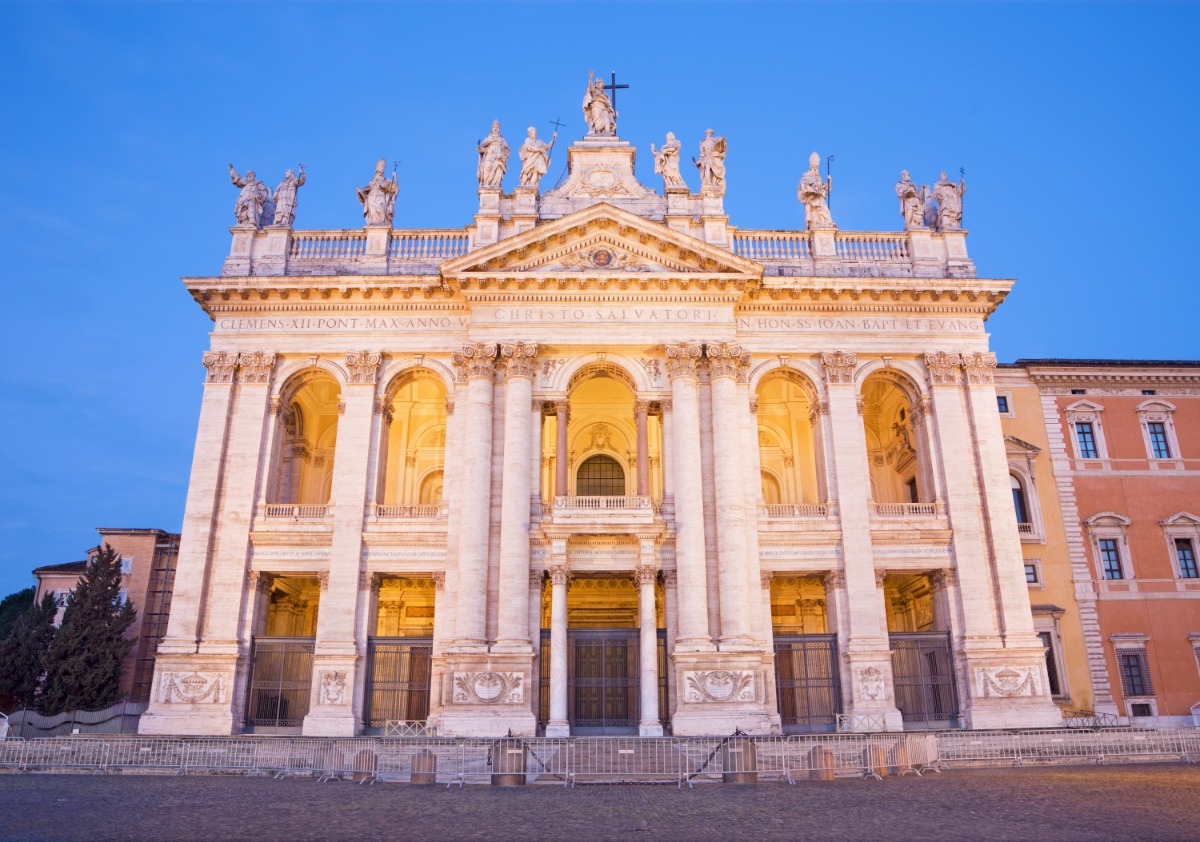
Exploring the basilica, you will be struck by its majestic facade and imposing columns. The interior is equally captivating, with richly decorated chapels, magnificent frescoes, and sparkling mosaics. Don't miss looking up to admire the ornately decorated ceiling and the meticulous details of sculptures and ornaments.
The Baptistery and the Cloister
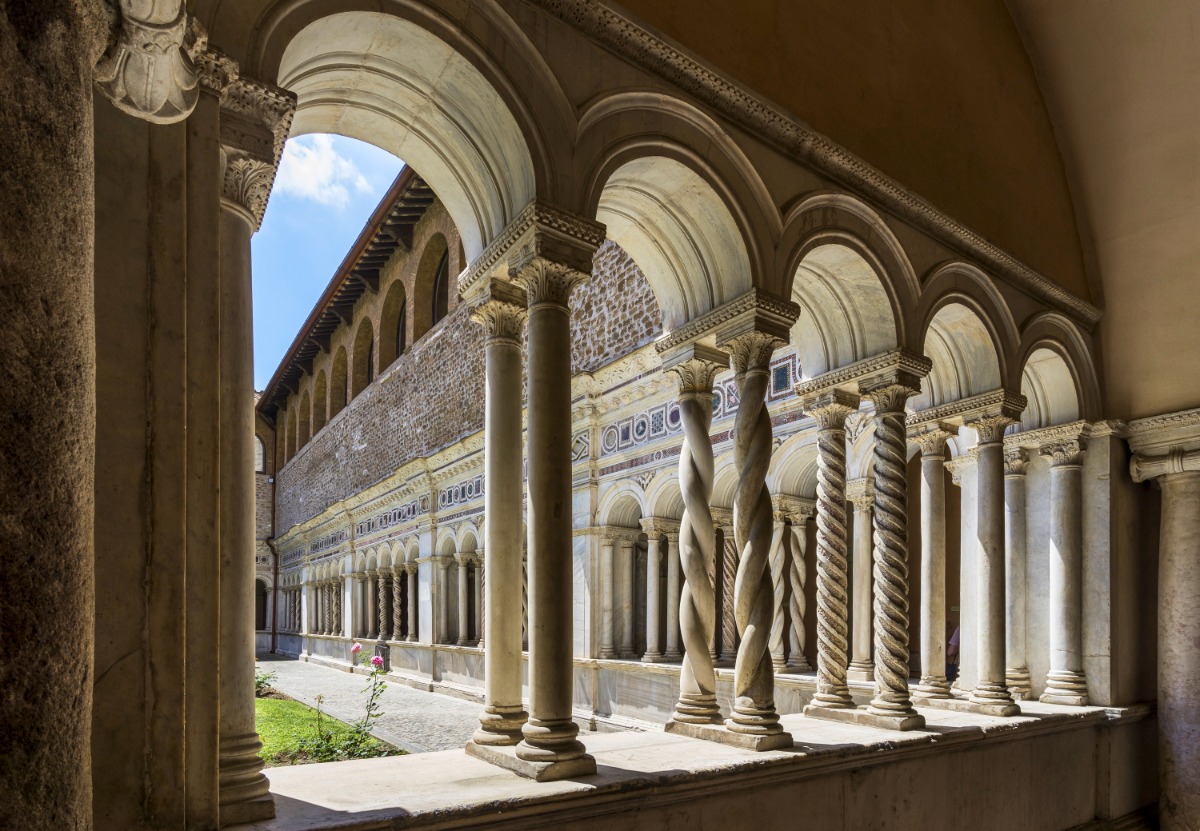
Within the basilica complex, you will also discover the baptistery and the cloister. The baptistery is a sacred place where many baptisms have been celebrated over the centuries. Its exceptional mosaics depict biblical scenes and add a spiritual dimension to the visiting experience. The cloister, meanwhile, offers a peaceful and serene atmosphere, with its lush gardens and elegant arcades.
Visiting the Basilica of Saint John Lateran, you will dive into the history, art, and spirituality of Rome. Don't miss this unique opportunity to discover one of the most important churches in the Christian world.
Choose the right time of day
The basilica can be very crowded, so try to plan your visit early in the morning or in the late afternoon to avoid the crowds. Ticket available here.
Don't miss this unique opportunity! The OMNIA Card gives you access to many iconic sites in Rome, including the Basilica of St. John Lateran with a multimedia audioguide. Book here for an unforgettable experience!
Dress appropriately
As the basilica is a place of worship, make sure to wear modest clothing that covers your shoulders and knees as a sign of respect.
Check the mass schedule
Attending a mass in the basilica can be a rewarding spiritual experience. Check the mass schedule and plan to arrive early to find a seat.
Take time to admire the mosaics
The mosaics in the basilica are of incredible beauty. Take the time to observe them carefully and appreciate the artistic and religious details they depict.
Explore the side chapels
Don't limit yourself to the main nave. Explore the side chapels of the basilica, where you'll discover gorgeous altars and remarkable artworks.
Visit the baptistery and the cloister
Don't miss the opportunity to visit the baptistery and the cloister adjacent to the basilica. These spaces offer a more peaceful atmosphere and allow you to appreciate the basilica's history even more.
(in 6:04)
The Constantinian Basilica
The place owes its name to the residence of a great patrician family, the Laterani. Imagine yourself on the Lateran Hill, in the early 4th century, where the stables of Maxentius were located, housing the cavalry of this emperor. But after the victory of Constantine I, everything changed! He generously offered the site to the Bishop of Rome, thus launching the construction of a Christian place of worship. But beware, it is not a simple temple that was erected, no, it is a majestic basilica that was born!
The Basilica of the Most Holy Savior
It was consecrated in the year 324 (or 319 according to other sources) by Pope Sylvester I. At that time, it was the largest Christian church, even surpassing the small Saint Peter's which was consecrated a few years later in 328. Next to the basilica, the episcopal palace was erected to welcome the Pope. To the northwest, behind the apse, a magnificent baptistery was also built in honor of Saint John the Baptist. Every year, at Easter, the neophytes received baptism there in a grandiose ceremony!
Architectural plan and characteristics
Imagine a simple rectangular plan, but full of character. Majestic columns stand and divide the space into four aisles and a wider central nave. This configuration gives it the shape of a cross, simply fascinating! All this is called the nave. The nineteen columns separating the central nave were made of red marble, while the twenty-one columns separating the aisles were made of green marble. And there, at the entrance to the basilica, imagine a vast hall that joyfully welcomes the large crowds. The central nave, higher than the aisles, is crowned with a gable roof. And it ends with a semi-circular apse, magnificently decorated with mosaics. The aisles, for their part, are covered with a flat roof adorned with half-moon bays. The walls are decorated with murals and veneers of precious and colorful marble. It's simply breathtaking, isn't it?
Difficult Middle Ages
Let's dive into the tumultuous Middle Ages of this extraordinary basilica! Over the centuries, this monument has unfortunately suffered many outrages. It witnessed the sacks of Rome, where Alaric I in 410 and Genseric in 455 caused significant damage. And, unfortunately, a terrible earthquake destroyed it in the year 896. Pope Sergius III, in the 10th century, undertook a complete restoration of the basilica, thus restoring it to its former glory. Even in the midst of trials, this basilica was able to rise from its ashes and continue to radiate its splendor.
History Quiz
Test your children's knowledge by asking them questions about the history of the basilica. Get informed beforehand about interesting facts to share with them.
Chapel Visit
Explore the different chapels of the basilica together. Each chapel has its own style and its own treasures to discover, making the visit more captivating for your children.
Observing the Details
Encourage your children to carefully observe the architectural and artistic details of the basilica. Ask them to identify the patterns, sculptures, and frescoes, and then discuss them to stimulate their curiosity and their observational skills.
Discover the Sounds of the Past at the National Museum of Musical Instruments
Nearby, an incredible place awaits to thrill you! Come explore the National Museum of Musical Instruments for a unique musical experience with your children. Immerse yourself in the history of music through a fascinating collection of ancient and rare instruments. Don't miss this opportunity to share unforgettable moments while discovering the musical universe from different eras. It's a cultural adventure that will delight both young and old! Come on, let's go and let the music carry us away on this exciting journey! Tickets available here.